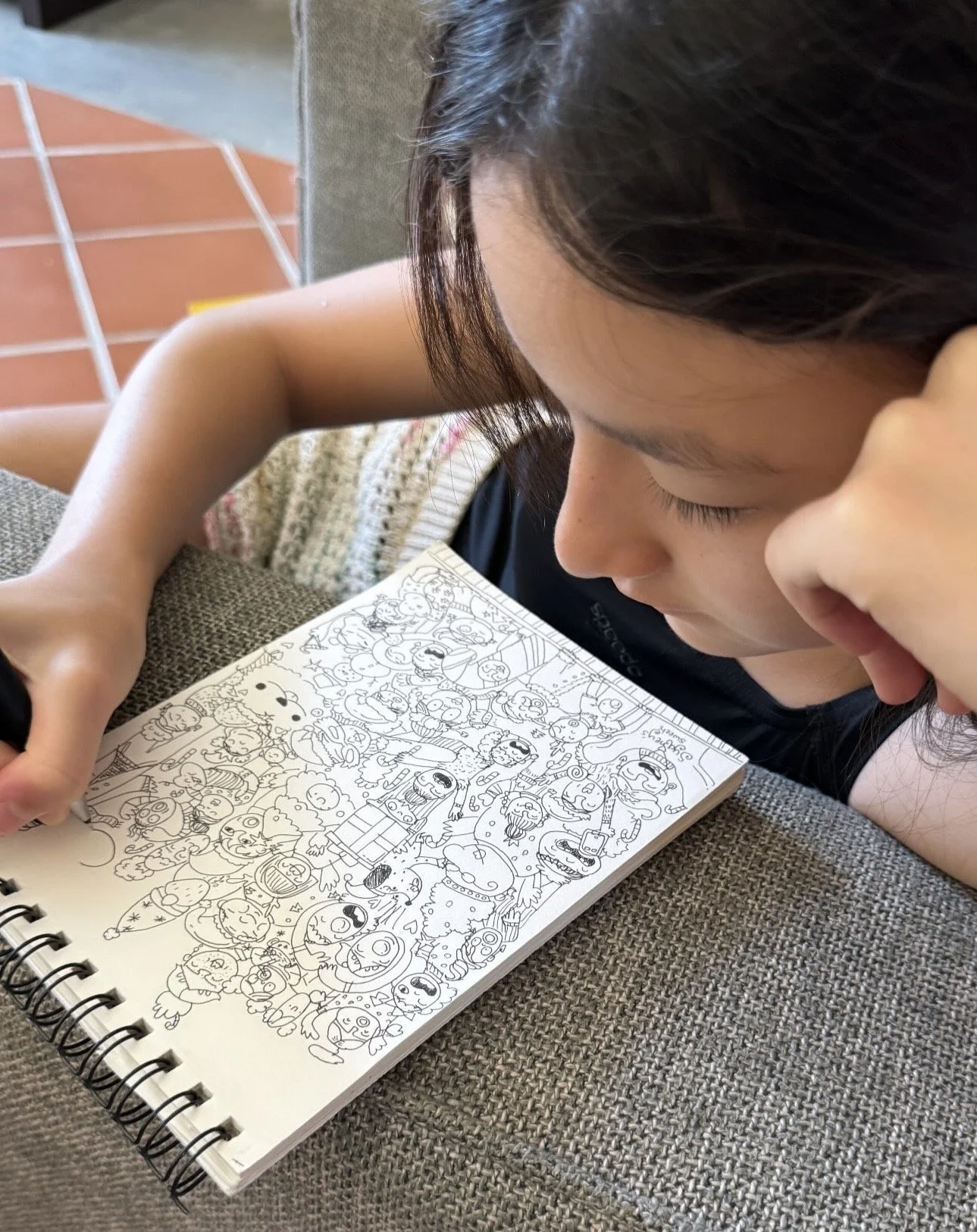
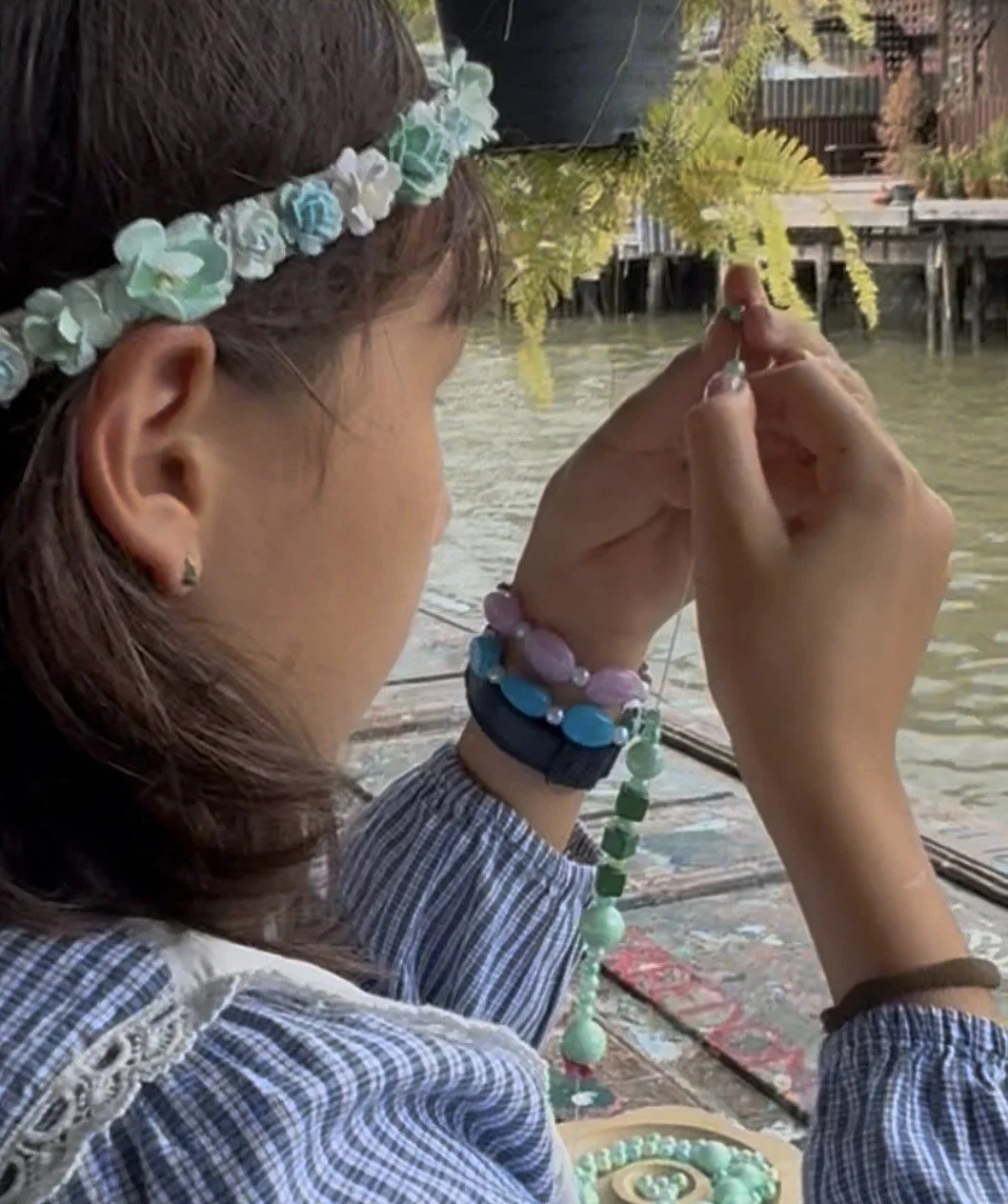
What would your child do with a completely free Saturday?
No plans, nothing booked, nobody organising anything. You'll be asked to guess what they'd say before you see their answer. That gap is the useful part.
This is not an argument against school.
Nothing here asks you to pull anyone out or add another activity. But school runs on assignments. Somebody decides what is worth doing, sets the standard, sets the deadline, and your child meets all three.
That skill takes twelve years to build. It has just stopped being scarce.
Stanford researchers, using payroll records covering millions of American workers between 2021 and 2025, found employment among 22 to 25 year olds in the occupations most exposed to AI fell by about 13 per cent. Workers over 30 in those same occupations grew. Same industries, same tools, and the only difference is age.
So the children who did school best have the most practice at carrying out an assignment, and the least at deciding what is worth doing.
That is not an argument for worse grades. It is an argument that the other half has to be built somewhere, because school will not build it.
It only happens in hours nobody has filled, and it has to start from something your child already cares about. An empty hour on its own is just paralysis.
So the first job is finding out what that something is. In their words, not yours.
The Interview
Nine questions. Your child answers alone, on your phone, in about five minutes. Not a quiz, and nothing to get right.
You answer one question first: what you think they will say. Then you sit on your hands.
One of the nine is private. You won't see it, and neither will anyone else. That promise is why they answer the rest honestly.
Afterwards I read it myself and email you what I noticed. Not a report. The pattern underneath, which is hard to see from inside your own house. All of that is free.
If you want to go further, I design a customised challenge built on it, with the hard part left in. That is paid work, and there is no obligation.
I'm Heidi Kim Thompson. I design interest-led challenges for children aged five to fifteen, and I have three of my own. The full method is here.